
Bavarian State Collection for Botany
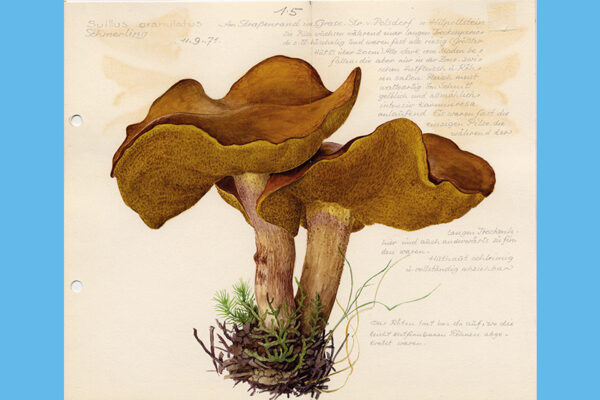
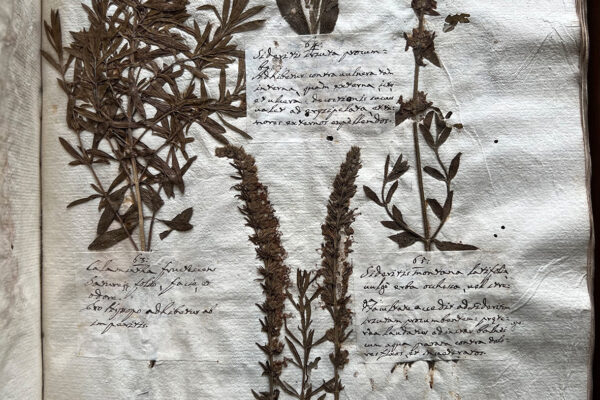
The Bavarian State Collection for Botany (Botanische Staatssammlung München) is part of the Bavarian Natural History Collections (SNSB). It offers research facilities and expert advice on plants and fungi based on a collection of 3.4 million herbarium specimens. These specimens represent the holdings of two intercalated herbaria, that of the Botanische Staatssammlung (acronym M) with 3.2 million and that of the Ludwig-Maximilians-Universität (MSB) with 200,000 specimens. The SNSB IT Center is located in the Botanische Staatssammlung and acts as a central institutional data repository for the Bavarian Natural History Collections (SNSB).
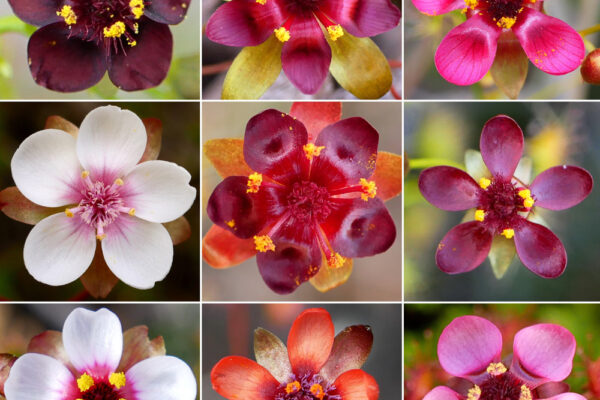
Our research focuses on flowering plants from Europe, South-East Asia, and South America and on fungi, lichens, and algae worldwide with a number of national and international projects. Research products include taxonomic revisions, floristic projects, vegetation surveys, molecular phylogenetics, and biodiversity informatics. The Botanische Staatssammlung is an active member of the international network of herbaria, and each year we send on loan more than 5,000 specimens.
The Botanische Staatssammlung München is linked to the Ludwig-Maximilians-Universität through research and teaching and through its director, Gudrun Kadereit, who is on the Faculty of Biology, Section Systematics, Biodiversity & Evolution of Plants. It is also linked to the Botanischer Garten München-Nymphenburg on whose ground the herbarium building is located and to the Bayerische Botanische Gesellschaft (Bavarian Botanical Society) whose library and herbarium we are hosting.
Visiting
Our library is currently closed to the public.
For scientific work with our collections, please consider the additional information about contact and getting there. General public audience interested in plants and botany are welcome to have a look at the activities of Munich Botanical Gardens.
Save the date
Friday, 26. April 2024: Climate change – past present future: Ideenforum Bionicum 2024